DIY Dog Grooming: What You Can Do Between Professional Sessions
JK
Keeping your furry friend well-groomed is essential for their health and happiness. While professional grooming sessions are important, there are several things you can do at home to maintain your dog's appearance and well-being between visits. Here's a guide to DIY dog grooming that will help keep your pet looking their best.
Brushing Your Dog
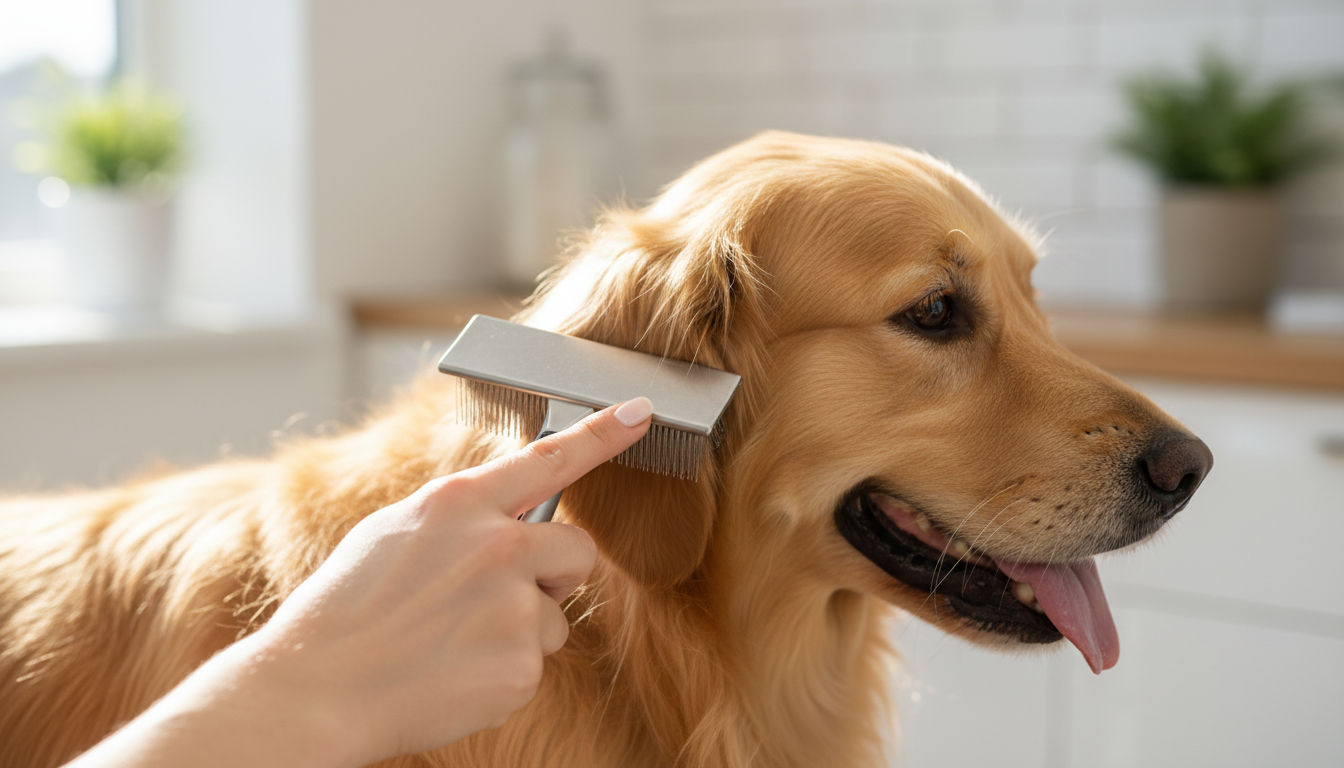
Regular brushing is crucial for maintaining your dog's coat. It helps remove dirt, loose hair, and prevents tangles and mats. The frequency of brushing depends on your dog's breed and coat type. Long-haired breeds may require daily brushing, while short-haired dogs might only need it weekly.
Choose the right brush for your dog's coat. Slicker brushes are great for removing loose fur, while bristle brushes work well for smooth coats. Always brush gently to avoid irritating your dog's skin.
Bathing Your Dog
Bathing your dog between professional grooming sessions is important to keep their coat clean and smelling fresh. However, over-bathing can strip natural oils from their skin, so it's best to bathe them once a month or as needed.
Use a dog-specific shampoo to avoid skin irritation. Make sure to rinse thoroughly to prevent any residue that might cause itching. After the bath, dry your dog with a towel or a pet-safe blow dryer on a low setting.
Trimming Nails
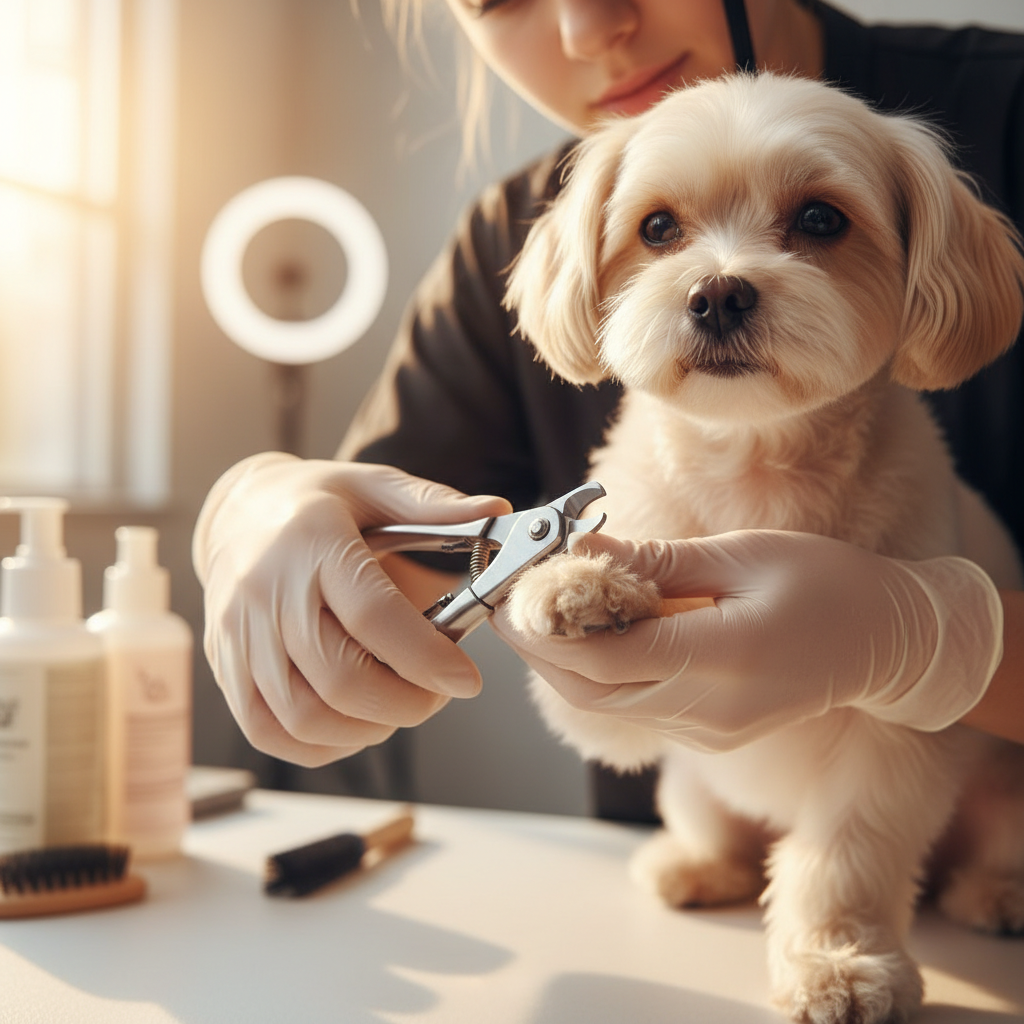
Keeping your dog's nails trimmed is essential for their comfort and health. Overgrown nails can cause pain and even lead to joint issues. Depending on your dog's activity level, you may need to trim their nails every 2-4 weeks.
Use a sharp, high-quality nail clipper designed for dogs. Be cautious not to cut too close to the quick, the sensitive part of the nail that contains blood vessels. If you're unsure, consult a professional groomer for a demonstration.
Cleaning Ears
Regular ear cleaning helps prevent infections and discomfort. Check your dog's ears for wax buildup, dirt, or any signs of redness and swelling. Dogs with floppy ears are more prone to infections and may require more frequent cleaning.
Use a vet-approved ear cleaner and a cotton ball to gently clean the outer ear. Avoid using cotton swabs as they can push debris further into the ear canal.
Maintaining Oral Health
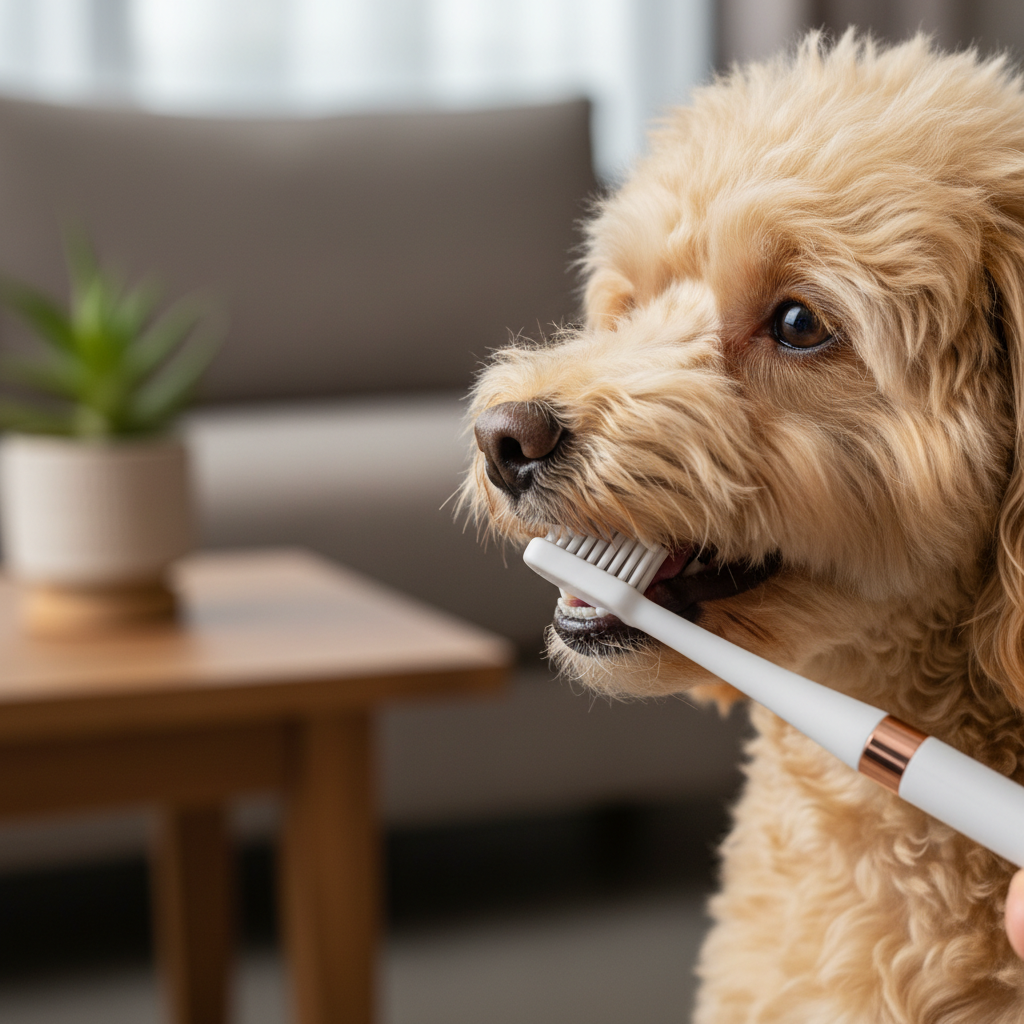
Your dog's dental health is as important as their physical grooming. Regular brushing can prevent tartar buildup, bad breath, and other oral health issues. Aim to brush your dog's teeth at least two to three times a week.
Use a toothbrush and toothpaste specifically designed for dogs. Introduce the process gradually, allowing your dog to get comfortable with the sensation. Dental chews and toys can also help maintain oral hygiene.
Checking for Skin Issues
During grooming, take the opportunity to check your dog's skin for any abnormalities. Look for signs of fleas, ticks, or skin irritations that might need attention. Regular checks can help catch issues early and ensure your dog's health.
By incorporating these DIY grooming practices, you can keep your dog clean, comfortable, and happy between professional sessions. Not only will this strengthen your bond, but it will also contribute to their overall well-being.