Expert Tips for Maintaining Your Dog's Coat Between Professional Washes
JK
Understanding Your Dog's Coat
Maintaining your dog's coat between professional washes is essential for their health and appearance. Different breeds have distinct coat types, each requiring specific care. Understanding your dog's coat can help you address its unique needs. From double coats to curly fur, identifying the type is the first step in providing proper care.
Regular Brushing
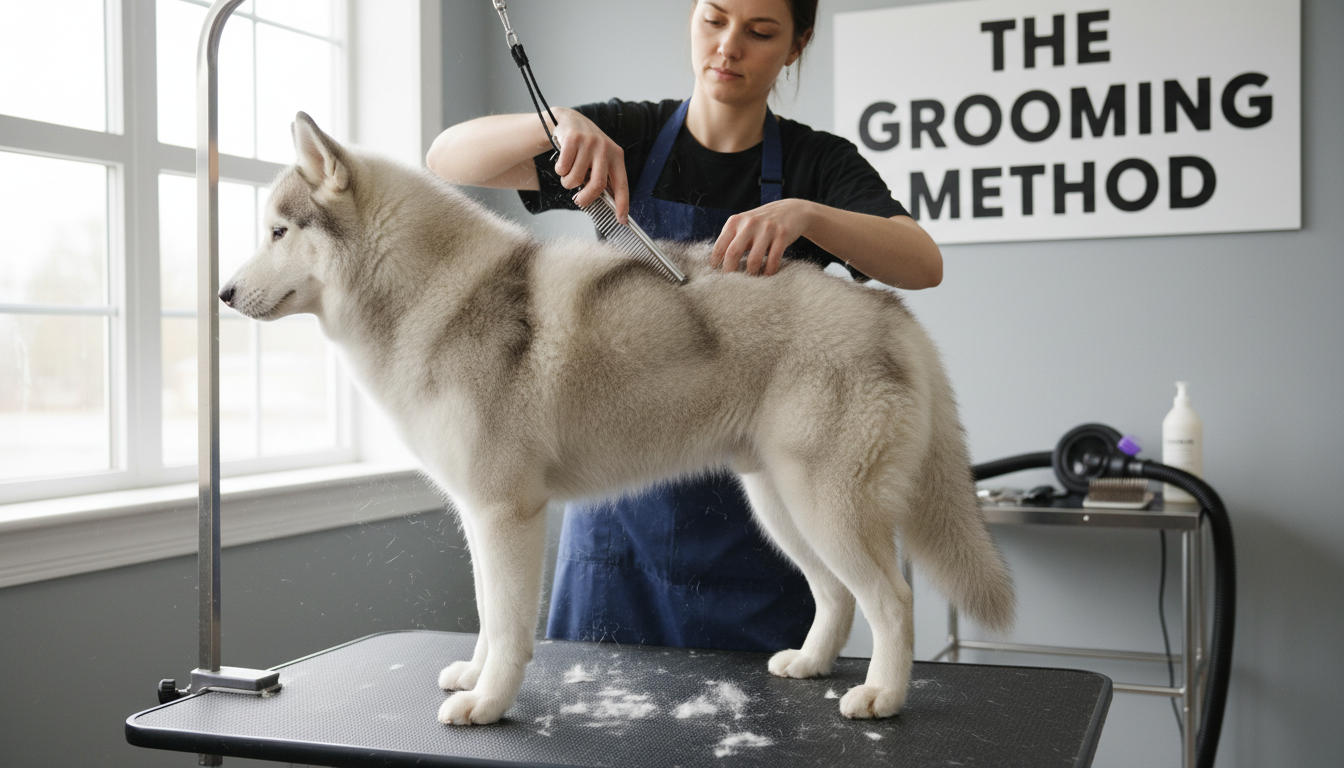
One of the most effective ways to maintain your dog's coat is through regular brushing. It helps remove loose hair, dirt, and prevents tangles. Depending on the coat type, you may need a specific brush. For instance, slicker brushes work well for long-haired breeds, while bristle brushes are ideal for short-haired dogs.
Brushing not only keeps the coat shiny but also promotes healthy skin by stimulating blood circulation. Aim to brush your dog at least a few times a week, or daily if they have a long or thick coat.
Bathing Between Professional Washes
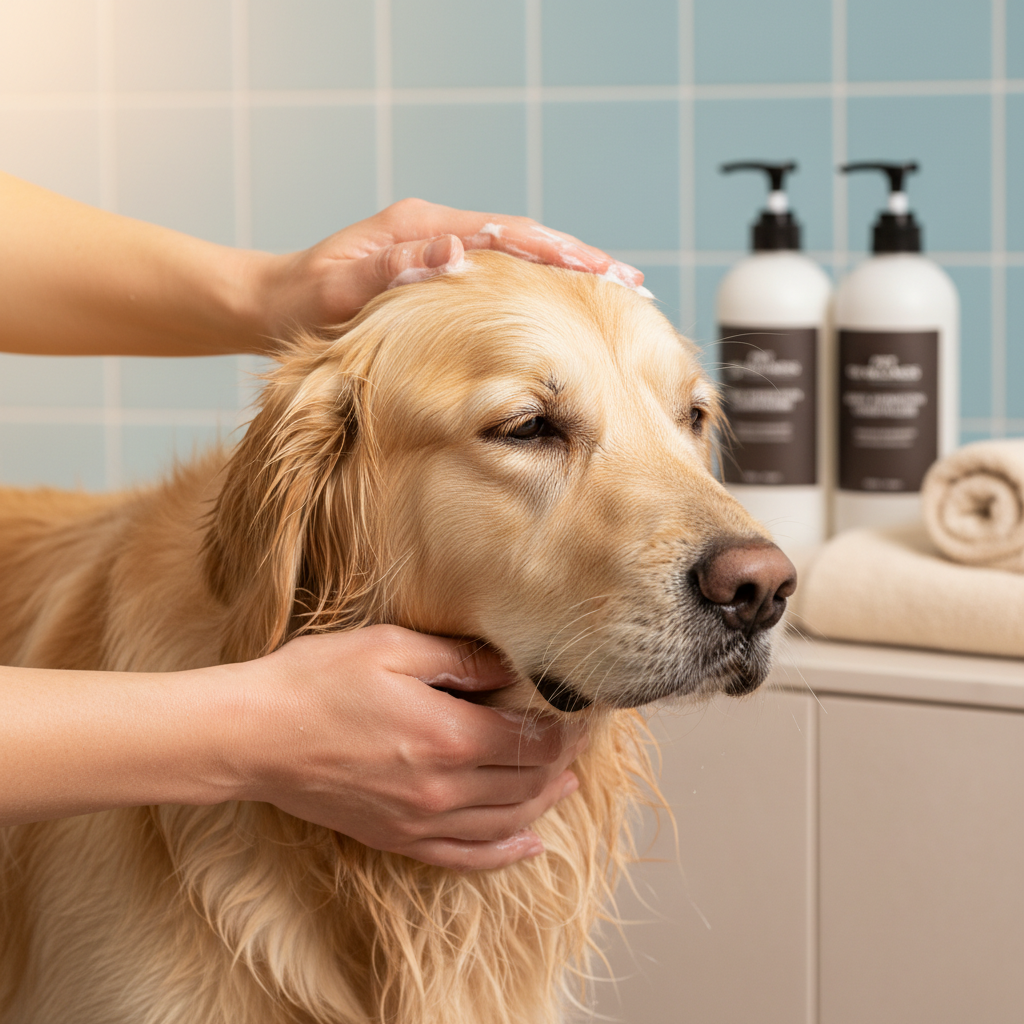
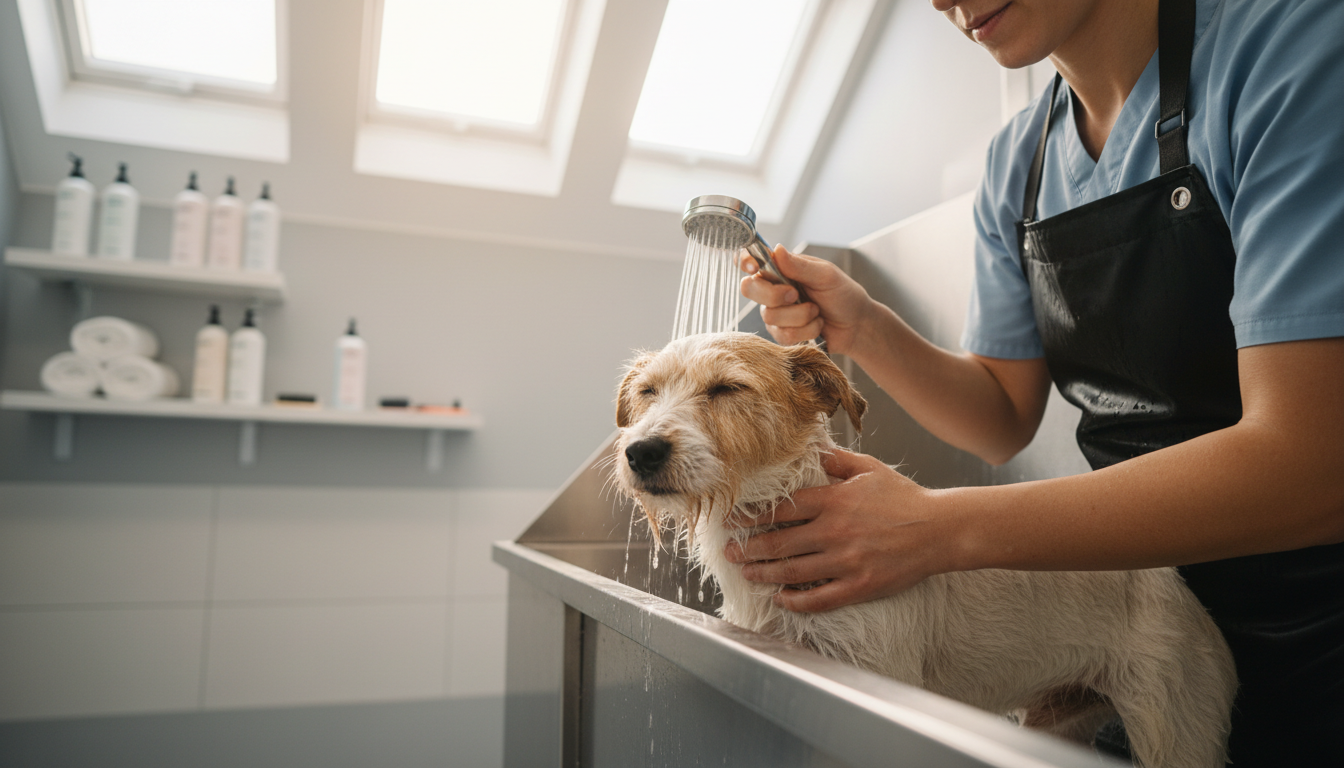
While professional grooming is essential, occasional bathing at home can help keep your dog's coat fresh. Use a dog-specific shampoo to avoid skin irritation. Generally, bathing once a month is sufficient, but this can vary depending on your dog's lifestyle and environment.
Nutrition and Hydration
A healthy coat starts from within. Ensure your dog has a balanced diet rich in omega-3 and omega-6 fatty acids, which are vital for skin and coat health. Fresh water is also crucial, as dehydration can lead to dry, brittle fur.
Consider adding supplements like fish oil to your dog's diet for an extra boost in coat health. Always consult your veterinarian before introducing new supplements.
Managing Shedding
Shedding is a natural process, but excessive shedding can be managed with proper care. Regular brushing and a healthy diet are key. If shedding seems abnormal, it may indicate an underlying health issue, so consulting a vet is advisable.
Checking for Parasites
Parasites like fleas and ticks can severely affect your dog's coat and skin. Regular checks, especially after walks in wooded areas, are important. Use flea and tick prevention treatments as recommended by your vet to keep these pests at bay.
Maintaining a Clean Environment
A clean living environment contributes significantly to your dog's coat health. Regularly wash their bedding and vacuum areas where they frequently spend time. This reduces the accumulation of dirt and allergens that can affect their coat.
By following these expert tips, you can maintain your dog's coat health between professional washes, ensuring they look and feel their best year-round.